
A practical guide to custom packaging boxes for brands — materials, structures, printing, MOQ, cost drivers and lead time. Everything you need before you order.
If you’re sourcing custom packaging boxes for the first time — or you’ve ordered before and it was messier than it should have been — this guide is for you. We’ll walk through the decisions that actually matter, in the order you’ll face them, so you can brief a supplier confidently and avoid the expensive mistakes we see over and over.
What “custom packaging” really means
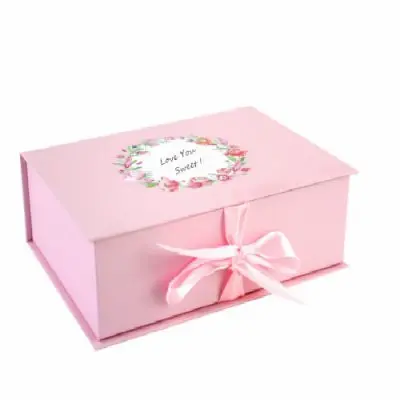
Custom packaging isn’t just a logo on a brown box. It’s control over five layers, and each one changes cost and lead time:
- Structure — the type of box (rigid, mailer, tuck-top, drawer, etc.)
- Material — the paper or board it’s made from
- Printing — how your artwork is applied
- Finishing — the tactile and visual upgrades
- Inserts — what holds your product inside
A supplier quote that only says “custom box, printed, 500 pcs” is incomplete. The more specific your brief across these five, the more accurate your price.
The most common box structures
- Rigid gift boxes — thick, premium, hold their shape. For luxury, jewelry, cosmetics, corporate gifts.
- Corrugated mailer boxes — lightweight, durable, unbox-friendly. For e-commerce and subscription.
- Tuck-top / setup boxes — the classic retail carton for cosmetics and small goods.
- Drawer & window boxes — for a memorable reveal or to show the product.
- Paper bags — retail carry and gifting.
Key takeaway: match the structure to how the customer receives the product. A mailer box that survives shipping is wrong for a boutique jewelry line; a rigid packaging box is overkill for a fast-moving DTC products.
Materials for Custom Paper Box
- Grey board / chipboard — the core of rigid boxes; thickness = sturdiness.
- Corrugated (E-flute, B-flute) — strong, light, recyclable; E-flute gives a smooth print surface.
- Kraft paper — natural, eco-friendly look; great for brown-brand and sustainable positioning.
- Art paper / coated board — bright, smooth, best for vivid full-color printing.
- FSC-certified options — responsibly sourced; increasingly required by US and EU buyers.
Custom Packaging Boxes Printing & Finishing
- Offset printing — best color quality for medium/large runs.
- Digital printing — faster, cheaper for short runs and prototypes.
- Finishes — matte/gloss lamination, soft-touch, spot UV, foil stamping (gold/silver), embossing/debossing. Each adds cost but multiplies perceived value.
Top 3 questions that shape your whole project
- MOQ — how many you must order. Many brands get stuck by 3,000–5,000-unit minimums; if you’re testing a product, low-MOQ production changes everything.
- Cost drivers — structure, material, size, print colors, finishing, quantity, and shipping. (We break these down in our cost article.)
- Lead time — typically sampling first (5–10 days), then mass production (2–4 weeks), plus shipping. Rush timelines are possible but cost more.
FAQ
What’s the difference between a sample and a mockup? – A mockup is a digital 3D preview; a sample is a physical box you can hold. Always check a physical sample before mass production — colors and materials look different in hand.
Can I order a small quantity to test? Yes — this is exactly what low-MOQ custom packaging is for. Start small, validate, then scale.
How long does a custom project take end to end? Roughly 3 – 7 weeks from brief to delivery, depending on structure, finishing and shipping method.
 You Can Get the Best Prices By Calling US: +86-189-3803-5880, +86-0755-85221289
 EMAIL: sophie@canfeicn.com
 ADDRESS: No.1204 Xiashuijing Building No.250 Jihua Road Longgang District Shenzhen City Guangdong Province China